
National Dog Bite Prevention Week: Why It Matters in the UK Too
Every year, National Dog Bite Prevention Week raises awareness of how to stay safe around dogs. While it’s an American campaign, the message is just as important here in the UK, because dog bites are not rare, and most are entirely preventable.
As a veterinary nurse of over 30 years, I’ve sadly seen the impact of dog bites first-hand. Not just the physical injuries, but the emotional toll on both people and dogs. And the truth is, these situations are very often avoidable with better understanding, education, and respect.
Dog Bites in the UK
In England alone, around 8,000–9,000 people are admitted to hospital each year due to dog bites.
It is worth noting that:
- Many bites happen in the home or with a familiar dog
- Children are most at risk
- Incidents are often linked to miscommunication, fear, or stress

Education is Everything
Dogs don’t bite “out of the blue”. They communicate with us all the time — we just don’t always recognise the signs. Understanding concepts like the ladder of aggression (as explained by organisations like RSPCA) helps us see that a bite is usually the last step in a chain of escalating signals.
Before a dog bites, they may:
- Turn their head away
- Lick their lips
- Freeze or stiffen
- Growl
When these early warnings are ignored, the situation can escalate.
This is why education is so important.
Respect the Lead – For People Too
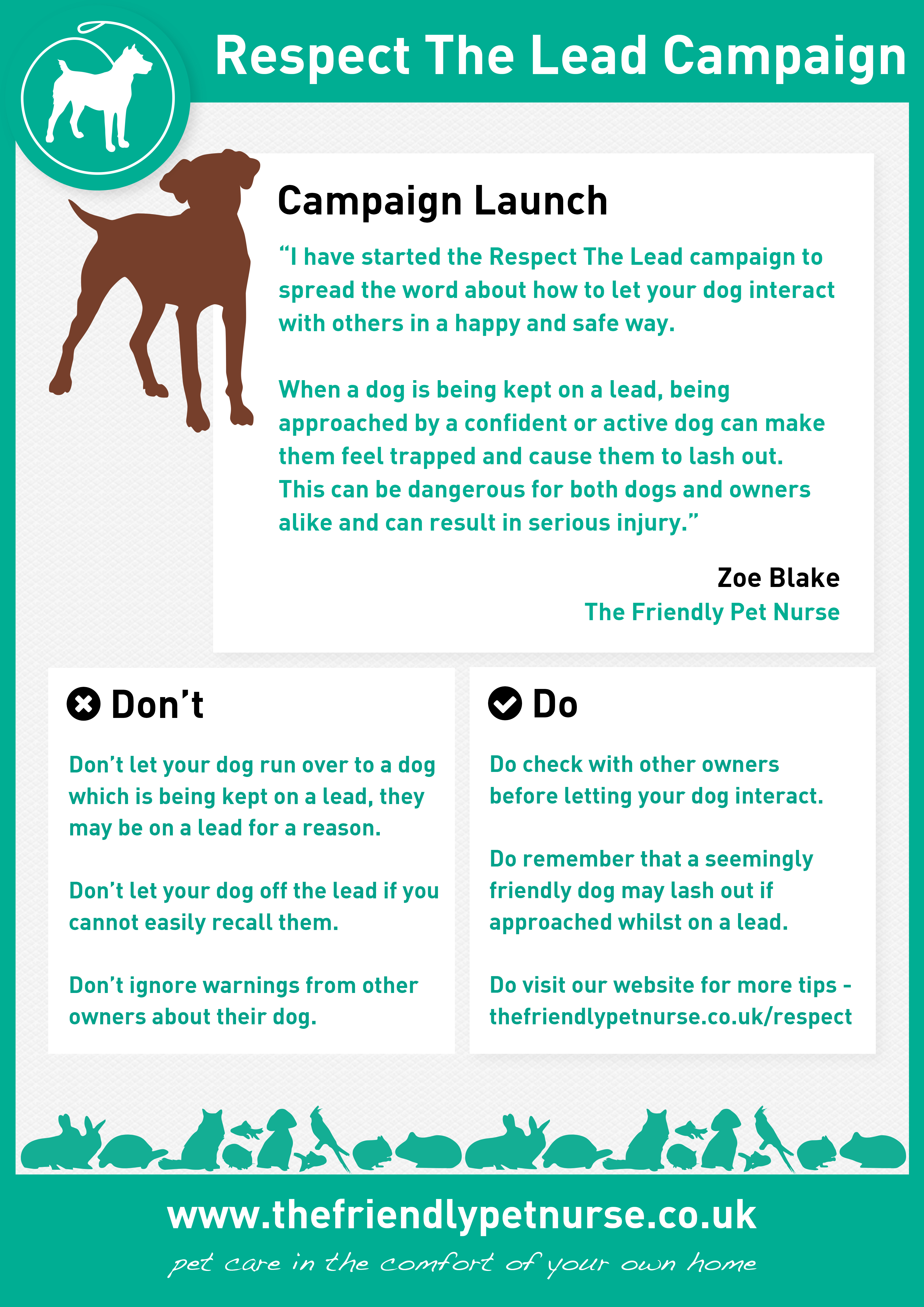
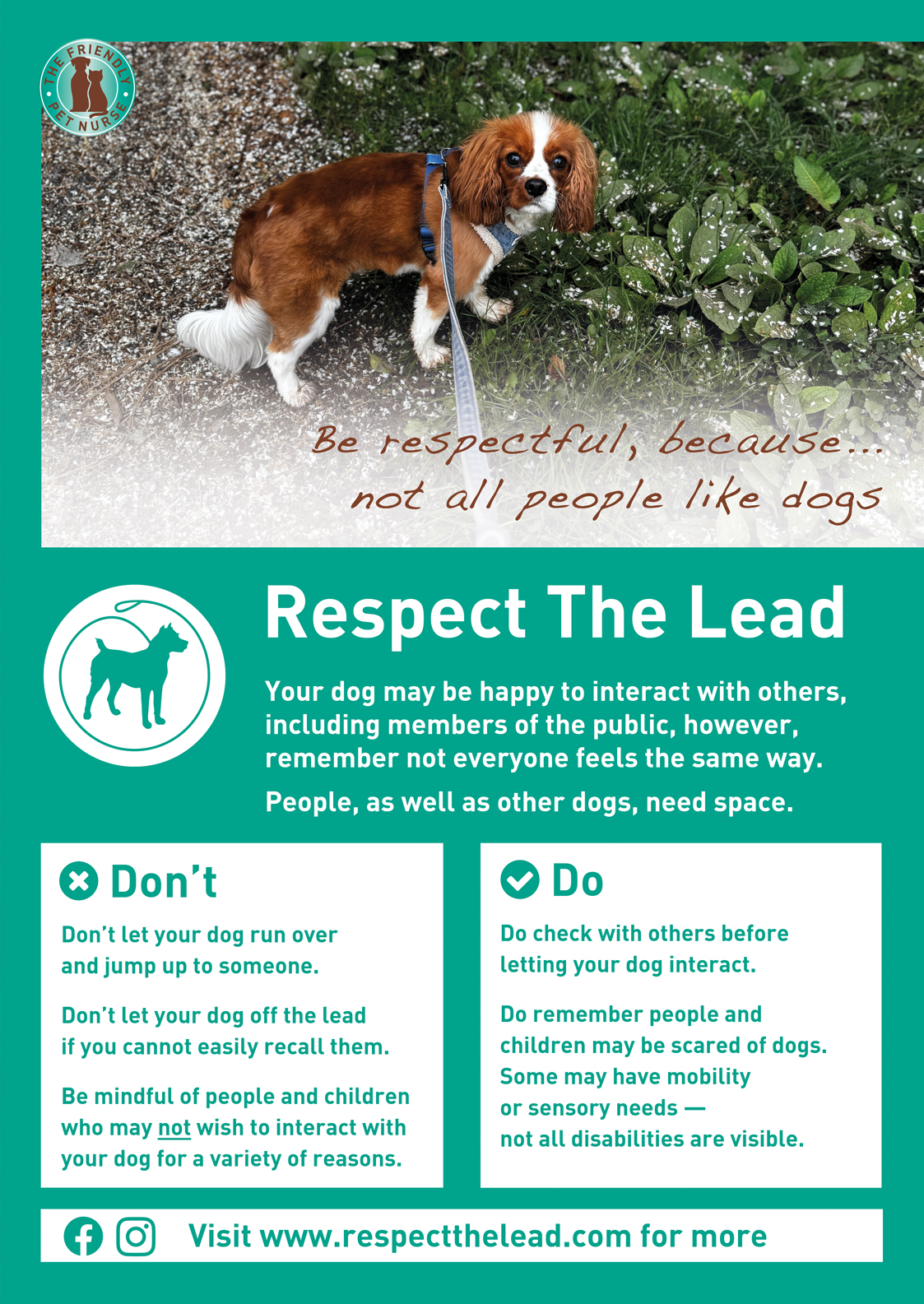
This is exactly why I started the Respect the Lead campaign.
It’s not just about dogs on leads, it’s about how we, as people, behave around dogs.
The message is simple:
- Always ask before approaching or touching a dog
- Never assume a dog is friendly, even if they look calm
- Respect a dog’s space — on or off the lead
Whether your dog is on a lead because of training, health, or temperament, or whether you yourself are managing a disability, injury, or simple fear of dogs, the principle remains the same: space and respect keep everyone safe.
At its heart, Respect the Lead is about preventing incidents before they happen.
A Simple Rule: “Don’t Touch”
One of the most effective messages we can teach is:
- If you don’t know the dog, don’t touch.
Even well-meaning interactions can go wrong if a dog is:
- Anxious
- In pain
- Resting
- Eating
- With their owner in a stressful situation
Pause, ask, and respect boundaries is one of the simplest ways to reduce risk.
Responsible Dog Ownership Matters Too
Prevention isn’t just about public behaviour; it’s also about responsible ownership.
As dog owners, we have a duty to:
- Understand our dog’s body language
- Advocate for their space when needed
- Use leads appropriately
- Avoid putting them in overwhelming situations
- Ensure proper training and socialisation
A dog that feels safe and understood is far less likely to feel the need to bite.
Prevention Starts with Us
Dog bite prevention isn’t about blame; it’s about awareness. Campaigns like National Dog Bite Prevention Week give us the perfect opportunity to start conversations, share knowledge, and promote safer interactions between people and dogs.
Because when we:
- Educate ourselves
- Respect boundaries
- And advocate for dogs
We protect everyone involved: owners, dogs, public, or family.
If you’d like to learn more about reading your dog’s behaviour, my blog is a great place to start: https://thefriendlypetnurse.co.uk/can-you-tell-is-your-dog-happy-or-sad/
The Three Second Rule
If you are walking a dog on a lead and meet another dog on a lead, ask the owner if it is ok for them to acknowledge each other. Once you have been given the ok follow ‘the three second rule’, they can sniff and introduce themselves, but after three seconds, distract away. It is best to keep the meeting brief.
Learn how to keep both people and dogs safe by visiting my Respect the Lead campaign, full of practical advice, free resources, and real experiences from owners: https://respectthelead.com/

Comments