
Obesity rates are increasing for our pet dogs
Sadly 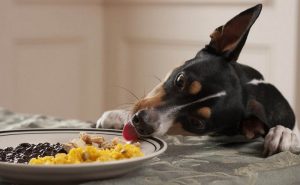 current scientific literature states that 40% of dogs are overweight, so with an estimated 9.3 million dogs living in the UK that’s approximately 3.7 million dogs that are potentially suffering with health and welfare issues. Obesity is the most concerning disease of our modern time and causes a range of illnesses and seriously affects quality of life. Every day on the news, in the magazines and on social media there will be something highlighting this. We can speak up and seek help and advice but what about our dogs, we need to be responsible for them and act accordingly.
Like with us, if they eat too much and don’t do enough exercise they will naturally put on weight. As the weight starts to escalate so does the strain on the heart/joints and other body organs.
So what can we do to help our canine friends… firstly we need to actually assess whether they are overweight and then evaluate their feeding & lifestyle. The dog world is full of so many different breeds and crosses and so relying on ideal breed weights is not really the best approach. Yes it’s good to have an ideal weight target however the modern approach is to body condition score. Anyone can do this, you basically match your dog’s shape and description to the chart and then it gets a score.
Your 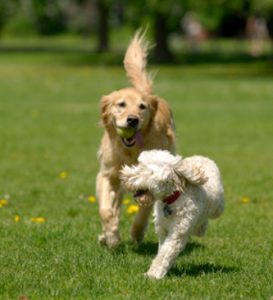 veterinary surgeon/nurse should be using BCS (body condition scoring) along with their bodyweights to advise whether they think some weight loss may be beneficial. If you haven’t ever heard of this then please ask next time you visit your surgery.
So you have been told your dog needs to lose a few kg’s, what now? I would firstly go home and sit down and actually write down what your dog is fed on a daily basis ensuring you ask every member of the household, include in this how much exercise they have. Then have a realistic look and see how this could be improved.
- Start to measure their daily food rations and divide into small frequent meals (3-5 is ideal), following the manufacturers guidelines on feeding quantity
- Cut out any human leftovers that may sneak into the bowl
- Reduce the treats you give…these easily accumulate
- Increase the exercise, add in an extra walk if you can. Shorter frequent walks are more affective then 1 long marathon.
- Use a calculator, such as this Cloud K9 one to support responsible feeding guidance, particularly around treat allowances and weight management.
https://cloud-k9.co.uk/dog-calorie-calculator-uk/
Try these for a month, reassess, if the weight is not starting to reduce then seek further help.
Every dog is different, and factors such as breed, age, health conditions, activity levels, diet and even home environment can all influence how much food they truly need. If you would like tailored feeding advice, or you’re worried about your dog’s weight or body condition, it’s always best to speak with your veterinary professional for individual support.
Most veterinary practices should have a nurse who has been trained in weight management. Alternatively please feel free to get in touch.
Comments