
The Commands That Matter More Than Sit
In the consult room, I see a lot of puppies, in-fact I see a lot of dogs of all shapes and sizes. The noble Labrador who gives a “high five”, the wriggly Spaniel who proudly rolls over on command, both owners beaming with pride. Whatever the latest social media trend is, dog owners love to show off the tricks. What I see far less often, though, are dogs who know how to focus, relax and listen.
Don’t get me wrong, teaching tricks is fun. It’s bonding, it’s mentally enriching, and it’s lovely to show friends what your puppy can do. However, somewhere along the way, “a well-trained dog” has become a dog that can perform party tricks.
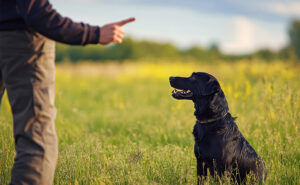
From my decades of working with, training, competing and owning dogs, a well-trained dog is something slightly different. It’s a dog who can look to their owner for guidance when the world feels overwhelming, who can settle calmly in a busy space, and who knows when to leave something alone. Those are the skills that make daily life easier, not just for owners but for the dogs too.
As pet dog trainer and behaviour advisor Cheryl Harwood of Dogs Behaving Badly explains, the focus on simple cues like “sit” has historical roots.
“Sit is a useful behaviour, and ‘paw’ is fun to teach, but a lot of this comes from older training methods,” she says. “We now understand much more about dog behaviour. While tricks provide mental stimulation, first and foremost we should be helping dogs feel happy and comfortable in our busy world.”
If I could rewind the clock for every new puppy owner I meet, these are the cues I’d suggest prioritising before (or at least alongside) teaching “sit”
Main Takeaways
- A well-trained dog isn’t just about tricks – focus, calmness, and cooperation matter far more than “high five” or “roll over.”
- Focus is key, so teaching your dog to look to you on cue can help them navigate distractions, excitement, and overwhelming environments.
- Being calm is a skill dogs have to learn. A “settle” cue can help dogs switch off – whether they’re in a café, at a friend’s house, or in the vet waiting room.
- “Leave it” can be a lifesaver and can stop dogs picking up dangerous things on walks.
- Strong foundations make everything easier. Whether that’s calmer walks, successful vet visits, or just navigating daily life.
“Watch” for focus
This cue is simple; it just means: focus on me.
It might not look impressive to the onlooker, but it’s one of the most useful skills a dog can learn. Teaching your puppy to make eye contact on cue builds the habit of checking in with you even when something far more interesting is happening nearby. In the real world, that matters a lot.
Where it helps: When your dog spots another dog across the street and starts to get overexcited, asking for a quick “watch” can redirect their attention back to you and stop things escalating. It can also be incredibly helpful in new environments like vet clinics, busy parks, and training classes, which can be highly stimulating and overwhelming. Simply focusing on us can help anchor them to something familiar.
Trainer Cheryl Harwood also believes engagement between dog and owner is one of the most underrated training skills.
“Engaging with your dog on walks helps to build a stronger bond,” she explains. “The dog becomes more focused on the owner — because the owner is interesting.”
“Settle” to relax
This is one of the cues I wish more dogs knew. “Settle” means teaching your dog to relax in a specific place often on a mat or blanket. It’s not about forcing them to stay still it’s about helping them learn that calm behaviour is rewarding. Puppies really struggle with this one which is not surprising when their natural response is to bounce around wanting to explore everything and everyone. But being able to switch off is a skill.
Where it helps: Sitting in a café, visiting friends, waiting at the vets or even just having a peaceful evening at home without a puppy zooming around the living room. Dogs who can settle tend to cope much better with busy or unfamiliar environments.
“Leave it” for safety
If there’s one cue that could prevent a lot of emergency vet visits, it’s this one. “Leave it” teaches a dog not to pick up or investigate something however tempting it may look. From a veterinary perspective dogs find a multitude of things tempting that they really shouldn’t.
Where it helps: When your dog spots something suspicious on the pavement – chicken bones, discarded food or something potentially toxic and chooses NOT to grab it. It’s a simple impulse control skill that can genuinely keep dogs safer.
“This Way” the foundations of recall
This is one of the hardest commands to train, as many owners focus on teaching a formal recall straight away…yelling “come” when your dog is having the time of their life is often going to fall on deaf ears. Getting your dog back from a distance is a skill that all dog owners need to navigate. However, breaking it down with a cheerful “this way” cue builds the habit of following your direction, rather than pulling the opposite way on the lead.
Where it helps: When you need to change direction quickly on a walk, move away from something stressful or guide your dog through a busy area without a tug-of-war on the lead. It’s a gentle first step towards building that reliable recall.
“Still” to help with vet examinations
This one is hugely underrated and often overlooked however, it can be incredibly helpful for vet visits or grooming appointments. A “still” cue involves teaching a dog to rest their chin in your hand or on a surface and hold it there briefly. It encourages calm stillness and gives the dog a clear, predictable behaviour to focus on. They can also choose to move away if they’re uncomfortable.
Where it helps: Nail trims, ear checks, brushing, injections or any situation where you need your dog to stay still for a moment. Dogs who know this cue often cope far better with handling because they understand what’s expected of them.
Why it’s Not Tricks vs Training
None of this means trick training is pointless. Teaching “spin”, “roll over”, or “give a paw” can be fantastic enrichment and great fun for both of you. However, if you ask most veterinary professionals what makes life easier in the clinic, it’s not whether a dog can shake hands. It’s whether they can focus, relax and cooperate.
Those skills make vet visits less stressful, walks more enjoyable and everyday life smoother for everyone involved.
Trainer Cheryl Harwood agrees that the foundations matter most. In her view, a well-trained dog isn’t about obedience alone.
“A well-trained dog is one that is relaxed and confident in any environment,” she says. “Puppy owners should be gradually introducing their pups to a wide range of environments and situations in a positive way, always working at the puppy’s pace.”
So by all means, teach the party tricks – just make sure the life skills get a place in the lesson plan too.
Comments