
Advice for those with lockdown puppies
Seeking companionship or an addition to the family, many of us bought a puppy over the lockdown period. Able to be more at home meant puppy could 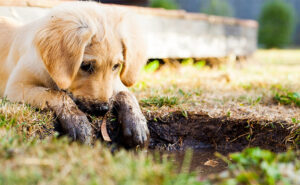 gain a real sense of home and bonding, staying at home would have been an easier time to be with your puppy. However, many animal charities are highlighting issues with lockdown puppies and socialisation. Usually, a puppy would have been able to meet new people and be exposed to a variety of different worldly experiences. Unfortunately, with lockdown, these ordinary experiences haven’t been able to happen. This may mean a generation of dogs growing up with behaviour and confidence issues.
Puppy Socialisation
In dog’s early lives they slowly get used to new sights and sounds. Socialising with you but also other people. Becoming familiar with things they encounter daily; feeling different floor textures, the noises of the cooker or washing machine, the smell of furniture. In addition to becoming used to habits, feeding times and exercise routines. However, there is a big wide world out there with various types of people, transport, noises, textures and smells. Such experiences as grooming, going to the vets, travelling in the car and other dogs and animals will all be things to encounter. There is a lot you can do to help your puppy grow into a contented, healthy, assured, well-behaved dog.
Positive Experiences
Interactions ideally need to be calm, happy and confident for you both. Take your time introducing anything new, use food to build a good association. If they back away make sure you are ready to support them but also allow them to do everything in their own time and without any force. Avoid doing too much and too soon.
Things to consider
- Handling – a vet or groomer will need to touch your dog, so get them used to contact. Obviously start gently with the ears and give rewards.
- Sounds – roadworks, hairdryers, babies crying may all be scary. You can play sounds at home on a low volume. This Soundcloud has 15 minutes of sound therapy from the Dogs Trust to help.
- Other dogs – communicating with other dogs may be a whole new experience, and once vaccinated, your puppy can go out and meet new furry friends. Beware of interactions and follow best practices. You can find some helpful tips on the Respect The Lead website to ensure meeting other dogs is a positive and well-managed experience.
- Investigating new things – being out in the garden, touching different floor surfaces, stairs, clothes etc. will be exciting as they provide new things to smell and maybe play with. Take the time to let them have fun but not get too over-excited.
Know when to stop
If your puppy’s ears, tail or head stiffens they may be tense with the situation. Take a moment to draw back from the new situation or experience to allow your puppy to cope. They may also bark in a way that sounds alarmed or growls in a low rumbling tone.
Attend classes
There will be a lot your puppy will need to start being aware of, so ideally seek a puppy socialisation class. These will allow for structured and safe learning. You can ask questions and learn more about training and discipline. Available from 20 weeks, your puppy will need their vaccines and worm treatment in order to attend. A great article about why you should attend classes, by our friend Finchley Dog Walker explains the positives of classes.
Horsham Based Puppy Classes
These are two local Horsham based puppy classes I often recommend to my clients, but I also suggest asking other dog owners and looking at reviews:
- Bone Canis, running classes in Coolham and Wisborough Green: www.bonecanis.com
- Paws-itivity is licenced with Horsham District Council and runs puppy classes just north of Horsham: www.paws-itivity.co.uk
Comments